
Rough patches on your elbows, hands or cheeks. Skin that feels tight the moment you…
CPAP Mask Skincare: Keeping Skin Under Your Mask Comfortable
A CPAP mask is something you wear for hours every night, so it is no surprise that the skin under the cushion and straps can end up feeling dry, tight or marked by morning. A few simple skincare habits can help keep those areas comfortable, without getting in the way of your mask’s seal.
Important: this article is about everyday skin comfort, not your CPAP equipment or settings. Never change or stop using your CPAP without talking to your doctor or sleep clinic first.
Why skin under a CPAP mask can feel uncomfortable
Several things come together around the mask area:
- Pressure and friction. The cushion and headgear rest on the same spots every night, often the bridge of the nose, cheeks, upper lip and chin.
- Airflow. A small leak can blow air across the skin and leave it feeling dry.
- Trapped warmth and moisture. Skin under a cushion can feel warm and damp overnight, then dry and tight once the mask comes off.
- Oil and residue. Natural skin oils, creams and makeup build up on the cushion and affect both comfort and seal.
Most of these come down to fit and cleanliness, plus a simple skincare routine.
Evening routine: before the mask goes on
1. Cleanse gently
Wash your face before bed to remove sunscreen, makeup and the day’s oil. A clean face gives the cushion a better surface to sit on and keeps residue off your mask. Use lukewarm water and a mild, non-stripping cleanser, and pat dry with a soft towel.
Our SKLEER Prebiotic Face Wash is made with prebiotic fermented extracts and designed to cleanse without stripping your skin, so the face feels clean but not tight. It is gentle enough for morning and evening use.
2. Keep heavy products off the seal area
Thick creams, balms and oils right where the cushion seals can make the mask slip and leak. Many mask manufacturers advise against using oil-based products under the cushion, so check the care instructions that came with your mask. If you moisturise in the evening, do it well before bed so the product can fully absorb, and keep it light.
3. Check the fit
Straps that are too tight are a common reason for deep marks in the morning. The mask should seal without being cranked down hard. If you keep waking up with sore spots, or need to over-tighten the straps to stop leaks, ask your equipment supplier, sleep clinic or doctor about fit, sizing or a different cushion style. Some people also find fabric mask liners more comfortable, and your supplier can advise on what works with your mask.
Morning routine: after the mask comes off
1. Rinse or cleanse
Start the day by rinsing or gently cleansing the areas where the mask sat to freshen up skin that has been under a cushion all night.
2. Hydrate and comfort
Morning is the best time for a comforting leave-on product, because it has all day to absorb before the mask goes back on. A lightweight gel suits this well. It sinks in quickly and does not leave a greasy film.
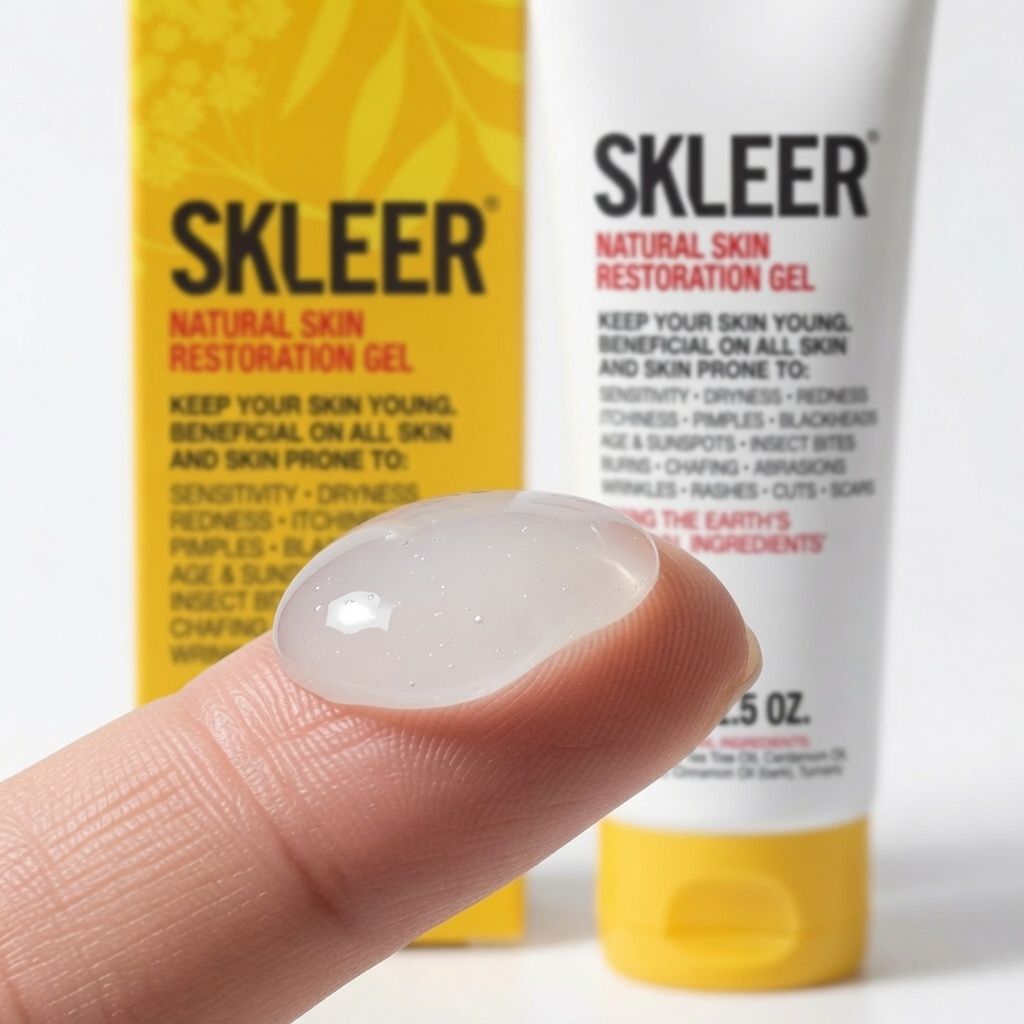
The SKLEER Natural Skin Restoration Gel (30ml) is a quick-absorbing, non-greasy gel made with botanical oils including tea tree, eucalyptus and turmeric, along with glycerine, a humectant that helps skin hold on to water. Smooth a thin layer over the nose bridge, cheeks and other mask areas to help them feel softer and more comfortable. The 30ml size is easy to keep on your bedside table or pack in your CPAP travel bag.
The gel contains essential oils, so patch test it on your inner forearm for a few days first, and keep it away from your eyes.
3. Sunscreen if you are heading outside
Skin that has been rubbed or marked can look more uneven after sun exposure. A broad-spectrum sunscreen on the face each morning helps.
Keep your mask clean too
Skin comfort and mask hygiene go together. Follow your manufacturer’s instructions, which usually include:
- Wiping or washing the cushion regularly with mild soap and water or approved mask wipes
- Washing headgear and straps on the schedule your manufacturer recommends
- Letting parts air-dry out of direct sunlight
- Replacing cushions and headgear when they wear out, since a worn cushion often needs tighter straps to seal
When to talk to your doctor
Persistent soreness, broken or cracked skin, blisters, or marks that do not fade during the day are worth raising with your doctor or sleep clinic. They can check your mask fit and advise on what is right for you. Do not simply stop using your CPAP because of skin discomfort. Get help with the fit instead.
FAQ
Can I moisturise under my CPAP mask?
Many people do, but timing and texture matter. Use a light, fast-absorbing product, give it time to sink in completely, and avoid oily or heavy products where the cushion seals. Check your mask’s care instructions for specific guidance.
Why do I wake up with red marks from my mask?
Overnight pressure from the cushion and straps is the usual reason. Over-tightened straps, the wrong size or a worn cushion can make marks more noticeable. Ask your supplier or doctor to check the fit.
Should I use the gel at night or in the morning?
Morning is the easiest choice for CPAP users because the gel has plenty of time to absorb before the mask goes back on. If you also use it in the evening, apply it well before bed and keep it to a thin layer.
Shop the routine: SKLEER Gel 75ml and the 75ml 2-pack.
Make mask mornings more comfortable
A gentle cleanse at night and a light, non-greasy gel in the morning is an easy routine to stick with. Shop SKLEER Natural Skin Restoration Gel (30ml) and pair it with the SKLEER Prebiotic Face Wash.

Related Posts
Comments (0)