
Radiant-Looking Skin, Naturally: A Simple SKLEER Routine Radiant-looking skin comes from simple habits done consistently…

Parabens in Skin Care: What They Are and How to Go Paraben-Free
Turn over almost any moisturizer, cleanser, serum or makeup product and you’ll find a long ingredient list. If you see names ending in “-paraben”, that product contains parabens. They’re among the most familiar ingredients in personal care, and many people now look for paraben-free skin care instead. This guide covers what parabens are, why they’re used, what regulators say, and how to choose a simple paraben-free routine if that’s what you prefer.
What are parabens?
Parabens are a family of preservatives. Their job is to help water-based products such as creams, lotions, gels, shampoos and liquid makeup stay fresh after you open them. Any product that contains water and is opened again and again can grow bacteria, mold or yeast over time. Preservatives slow that down, which helps a product keep its look, smell and texture until it’s used up.
On an ingredient label, parabens usually appear under names like these:
- Methylparaben
- Ethylparaben
- Propylparaben
- Butylparaben
Products often contain more than one, so it’s common to see two or three listed together near the end of the label.
Why are parabens so common?
Parabens have been used in cosmetics for a long time. They’re inexpensive, they work in small amounts, and they suit a wide range of formulas. That’s why you’ll find them in everything from face creams and body lotions to deodorants, shaving creams, foundations and mascaras.
What do regulators say?
The question of whether parabens are something to avoid has been debated for years, and views differ. The U.S. Food and Drug Administration (FDA) says it doesn’t currently have information showing that parabens, as used in cosmetics, affect human health, and that it continues to review new research. The European Union takes a more cautious approach. It restricts some parabens in cosmetics and limits how much of others can be used.
So parabens are permitted in many products, but the rules aren’t the same everywhere, and some people would simply rather leave them out of their daily routine. If you have specific health questions about any ingredient, your doctor or pharmacist is the best person to ask.
Why some people choose paraben-free skin care
Choosing paraben-free products is usually a matter of personal preference. People often say they:
- Prefer a shorter, simpler ingredient list they can read and understand
- Like products built around plant oils and botanical ingredients
- Want to be more selective about what they put on their skin every day, often several times a day
- Are building a gentle routine for sensitive-feeling skin and want fewer extras in the mix
Whatever your reason, the important thing is to know what’s in the products you use, so you can make the choice that’s right for you.
How to spot parabens on a label
Reading labels gets easier with practice. A few quick tips:
- Look for the “-paraben” ending. Methylparaben, propylparaben and the rest are easy to spot once you know the pattern.
- Check the whole list, not just the front. “Natural” on the front of the pack doesn’t always mean paraben-free, so the ingredient list is what counts.
- Look for a clear “paraben-free” or “no parabens” statement from the brand, and check that the ingredient list matches it.
- Remember that paraben-free doesn’t mean preservative-free. Many paraben-free products use other ingredients to stay fresh. Store any product as directed and use it within the time shown on the pack.
A simple paraben-free routine
A good routine doesn’t need a long shelf of products. For most people, three easy steps are enough:
- Cleanse gently. Wash with lukewarm water and a mild cleanser or soap, then pat your skin dry rather than rubbing.
- Apply a light, quick-absorbing gel. Smooth a small amount over clean skin, especially areas that feel dry, rough or tight.
- Protect and repeat. Use sun protection during the day and keep your routine consistent. Skin usually looks its best with simple steps done every day.
Whenever you try a new product, patch test it on a small area first and wait to see how your skin feels.
Where SKLEER fits in
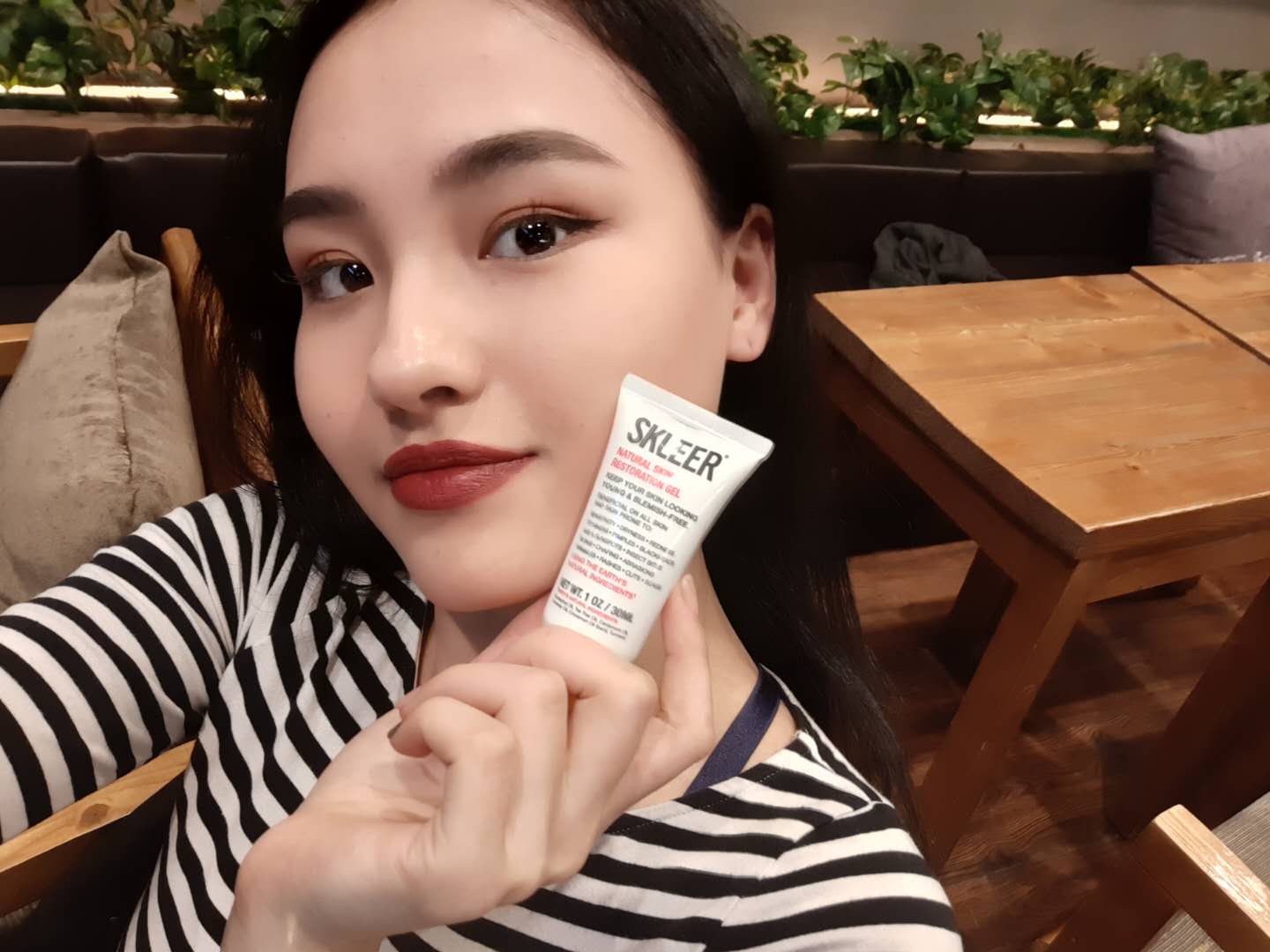
SKLEER Natural Skin Restoration Gel is a quick-absorbing cosmetic gel made with natural ingredients, including eucalyptus, tea tree, cardamom, caraway and cinnamon oils and turmeric. It’s made with no parabens, acids or alkalis, and it isn’t tested on animals. It leaves no greasy or sticky residue, and it’s suitable for dry, oily, combination and sensitive skin. Many customers use it 2 to 3 times a day on clean skin to help dry, rough or tight-feeling areas look and feel smoother and calmer.
If you’d like more tips on gentle, simple routines, take a look at our Skin Care Tips, including how to use tea tree oil gently.
The bottom line
Parabens are widely used preservatives, and regulators in different parts of the world take different views on them. Whether you use them is your choice. If you prefer a paraben-free routine, read labels carefully, keep your steps simple and choose products that clearly list what’s inside.
Try SKLEER Natural Skin Restoration Gel (30ml/1oz) or browse the full SKLEER range.

Related Posts

Comments (0)